
Comfytravel

August 2026

Disability Supported Holidays in Brisbane

Disability Supported Holidays in Brisbane: A Complete Guide to Accessible, Comfortable & Inclusive Travel

Blog

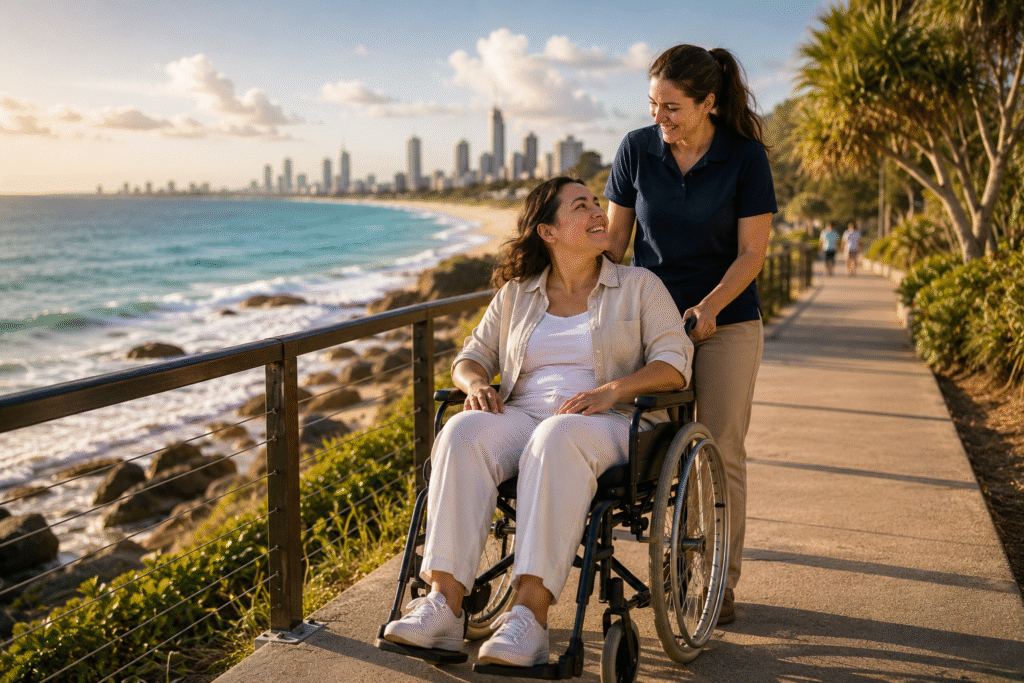
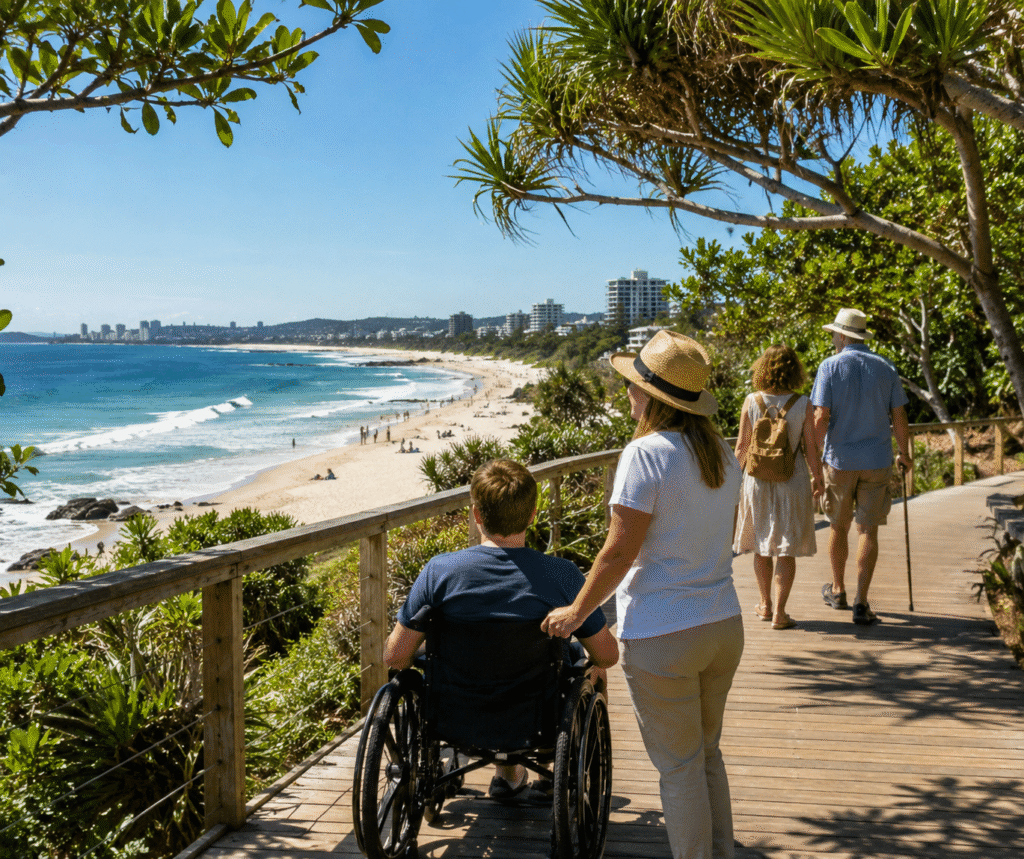
A holiday should be more than simply getting away from home. It should be an opportunity to relax, explore, connect, build confidence, and create meaningful memories. For people living with disability, however, travelling can involve additional planning. Accommodation needs to be accessible. Transport may require careful coordination. Activities need to suit individual mobility and support requirements. Even a simple day out can become stressful when accessibility has not been considered in advance. That is where disability supported holidays in Brisbane can make a meaningful difference. With the right planning and appropriate support, people with disability can enjoy a holiday that balances independence, comfort, safety, personal choice, and enjoyment. Brisbane is an excellent destination for supported travel, offering a combination of riverside attractions, parks, cultural experiences, dining, shopping, wildlife, accessible outdoor spaces, and day-trip opportunities. Whether you are an NDIS participant, an adult with disability, a family member, carer, or support person, this guide explores how to plan a more enjoyable and personalised supported holiday in Brisbane. What Are Disability Supported Holidays? A disability supported holiday is a travel experience planned around the individual needs, preferences, abilities, and support requirements of a person with disability. Rather than expecting the traveller to adapt to a standard holiday package, supported travel takes a person-centred approach. Depending on individual requirements and arrangements, support may include: The purpose is not to take away independence. It is to provide the right support so the traveller can participate, make choices, and enjoy the holiday with greater confidence. Why Choose Brisbane for a Supported Holiday? Brisbane offers a relaxed combination of urban attractions and outdoor experiences, making it an appealing destination for people looking for an accessible and flexible holiday. Depending on individual accessibility requirements and interests, a Brisbane itinerary could include: One of Brisbane’s biggest advantages is the ability to create a holiday at different activity levels. A participant who enjoys busy days can explore more attractions, while someone who prefers a slower pace can focus on shorter outings and plenty of downtime. The best supported holiday is not necessarily the one with the most activities. It is the one that feels comfortable, meaningful, and enjoyable for the person travelling. Who Can Benefit From Disability Supported Holidays in Brisbane? Supported holidays can be suitable for people with a wide range of disability-related support requirements. They may be particularly valuable for people who want: Adults with disability may also enjoy travelling independently from their families while receiving appropriate support. For families and carers, a well-planned supported holiday can also provide reassurance that important travel requirements have been considered. NDIS Holidays in Brisbane: What Should You Know? For NDIS participants, it is important to distinguish between holiday expenses and disability-related supports. Having an NDIS plan does not automatically mean that the NDIS will pay for every aspect of a holiday. Ordinary holiday expenses such as general accommodation, meals, entertainment, and standard travel costs may not automatically be covered. Depending on a participant’s individual circumstances and plan, certain disability-related supports may potentially be relevant. Before booking a holiday, participants should confirm: Clear communication before travelling can help prevent unexpected costs and misunderstandings. The Importance of Accessible Accommodation Accommodation is one of the most important elements of a successful disability-supported holiday. A hotel or holiday property may describe itself as accessible, but accessibility requirements differ from person to person. Before making a booking, consider: Step-Free Access Is there a step-free entrance from the car park or street? Bathroom Accessibility Does the bathroom provide enough space and appropriate features for the traveller? Bedroom Layout Is there sufficient space to move around comfortably? Doorways and Corridors Are doorways wide enough for the participant’s mobility equipment? Lift Access If the property has multiple floors, is there suitable lift access? Parking Is accessible parking available close to the entrance? Location Is the accommodation conveniently located near planned activities and essential services? Environment Would the traveller prefer a quiet location or somewhere close to restaurants and attractions? The right accommodation should support comfort and independence, not simply meet a generic accessibility checklist. Planning Accessible Activities in Brisbane A supported holiday should be built around what the participant actually enjoys. Some travellers may love sightseeing and cultural attractions. Others may prefer nature, shopping, dining, or peaceful outdoor spaces. Potential Brisbane experiences can include: City Sightseeing Explore Brisbane’s urban environment at a comfortable pace, with appropriate transport and rest opportunities. Riverside Experiences Brisbane’s riverfront environment offers opportunities for relaxed sightseeing and leisure. Parks and Gardens For travellers who enjoy nature, parks and gardens can provide a peaceful alternative to busy tourist attractions. Cultural Experiences Museums, galleries, cultural venues, and community events can provide enriching experiences for participants interested in art, history, and local culture. Shopping and Dining A supported shopping or dining experience can combine community participation with personal choice. Nature & Wildlife Participants who enjoy animals and nature may appreciate carefully selected wildlife or outdoor experiences, subject to accessibility and individual support requirements. Supported Holidays for Adults With Disability Adults with disability should have opportunities to experience travel in ways that reflect their own interests and goals. A supported adult holiday could be: The participant should remain involved in decisions throughout the process. They should be able to choose: Where they want to go. What they want to see. What activities they enjoy. When they want to rest. What they want to eat. How they want to spend their free time. Support should enable those choices rather than replace them. How Supported Travel Can Build Confidence Travel provides opportunities to practise skills in real-world environments. With appropriate support, a participant may be able to: For some people, even a short supported holiday can be an important step towards feeling more comfortable travelling outside their familiar environment. Respite Holidays in Brisbane A short respite-style holiday can provide a valuable change from everyday routines. For participants, this may mean enjoying new surroundings, recreational activities, social experiences, or simply having time to relax. For families and carers, planned short

NDIS Holiday Packages for Adults in Adelaide

NDIS Holiday Packages for Adults in Adelaide

Blog

Your Guide to Supported Holidays, Respite & Accessible Travel A holiday should be about choice, freedom, connection, and enjoyment—not about worrying whether a destination, hotel, transport option, or activity will meet your support needs. For adults living with disability, travelling with the right support can open the door to new experiences, greater confidence, community participation, and meaningful time away from everyday routines. NDIS holiday packages for adults in Adelaide can be designed around individual goals, accessibility requirements, interests, and preferred levels of support. Whether you are looking for a relaxing short break, a supported city escape, an accessible coastal experience, or a personalised holiday with family or a small group, Adelaide offers plenty of opportunities to create a memorable trip. However, planning an NDIS-related holiday requires more than choosing a destination. You need to consider support needs, accommodation, accessibility, transport, activities, funding, personal preferences, and safety. This guide explains what adults with disability should consider when planning a supported holiday in Adelaide—and how personalised travel planning can make the experience easier and more enjoyable. What Are NDIS Holiday Packages for Adults? An NDIS holiday package for adults is a travel experience planned around the individual needs and preferences of an NDIS participant. Depending on the provider and package, travel planning may involve: However, an important distinction should be made between holiday services and NDIS-funded supports. Being an NDIS participant does not automatically mean that every holiday expense will be funded by the NDIS. Ordinary travel expenses, food, entertainment, and accommodation may not be covered simply because a person has an NDIS plan. Participants should understand their individual plan and confirm whether specific supports are eligible before making arrangements. Why Adelaide Is a Great Destination for Adult Supported Holidays Adelaide offers a combination of city attractions, coastal experiences, gardens, parks, dining, shopping, and community activities. For adults who prefer a more relaxed travel experience, the city can provide plenty of opportunities without requiring an overly demanding itinerary. Depending on individual accessibility requirements and preferences, an Adelaide holiday could include: The best itinerary is not necessarily the busiest one. For many participants, a successful holiday means having enough time to enjoy each experience without feeling rushed. The Benefits of Supported Holidays for Adults With Disability Travel can offer benefits that extend beyond relaxation. With appropriate support, a holiday may create opportunities for adults with disability to develop confidence and participate more actively in their communities. Greater Independence Travelling to a new environment can encourage participants to make choices and practise everyday skills. This might include deciding what activities to participate in, choosing where to eat, managing a daily schedule, or communicating preferences. Increased Confidence Trying something unfamiliar in a supportive environment can help participants feel more confident about navigating new experiences. Social Connection Supported holidays can create opportunities to interact with new people, participate in community activities, and strengthen social connections. A Change From Routine A short break from familiar surroundings can provide a refreshing change of environment and an opportunity to enjoy different experiences. Personal Choice A well-designed supported holiday should not feel like a rigid care schedule. The participant’s interests, preferences, goals, and choices should remain central to the experience. What Is a Respite Holiday? A respite holiday is a short break designed to provide participants and their usual support networks with time away from everyday routines. For adults with disability, a supported respite-style getaway may provide an opportunity to: Respite arrangements can look different for every person. Some participants may prefer a quiet few days with minimal activities, while others may want a structured itinerary filled with sightseeing and social experiences. The right approach depends on the individual’s goals and support needs. Planning an Accessible Holiday in Adelaide Accessibility should be considered from the beginning—not as an afterthought. A destination may appear accessible online but still present challenges for a particular traveller. Before booking, consider the participant’s specific requirements. Accommodation Accessibility Check for features such as: If a participant uses a wheelchair or mobility aid, it can be helpful to obtain detailed accessibility information before confirming accommodation. Transport Accessibility Travel arrangements may need to account for: Transport should be selected according to the participant’s actual needs rather than relying on generic accessibility claims. Activity Accessibility Activities should be evaluated based on: The goal is to create enjoyable experiences without unnecessary physical or emotional strain. Choosing the Right NDIS Holiday Package for Adults There is no single package that works for every adult participant. Before choosing a holiday, consider these five questions: 1. What Does the Participant Want? The holiday should reflect the participant’s interests—not simply what someone else thinks they should enjoy. 2. What Level of Support Is Required? Consider personal care, mobility assistance, daily routines, communication, medication prompts where appropriate, and community access. 3. What Type of Accommodation Is Suitable? Accommodation should match both accessibility requirements and personal preferences. 4. How Much Activity Is Comfortable? A participant may enjoy several activities, while another may prefer one main outing each day. 5. What Are the Actual Costs? Clarify accommodation, transport, support, activities, meals, and other expenses before confirming the trip. Popular Types of Adult NDIS Holidays in Adelaide Adelaide City Getaway A city break can combine sightseeing, dining, shopping, and community participation. It can be structured around short outings and regular rest periods. Coastal Escape For adults who enjoy the outdoors, a supported coastal getaway can provide a relaxing change of scenery. Nature-Based Break Parks, gardens, and nature-focused experiences can be ideal for participants who prefer peaceful environments. Social & Community Holiday Some adults may want to focus on meeting people, participating in community activities, and enjoying social experiences. Small-Group Supported Holiday Small-group travel can provide opportunities for social connection while maintaining appropriate individual support. Quiet Respite Break For participants who simply want to relax, a low-pressure itinerary with comfortable accommodation and minimal travel can be the perfect option. Support That Can Make Travel Easier Every adult participant has different support requirements. Depending on individual circumstances and agreed

Maximise Your NDIS Funding

How to Maximise Your NDIS Funding: A Complete Guide to Getting the Most from Your Plan

Blog

The National Disability Insurance Scheme (NDIS) is one of Australia’s most significant social support initiatives, empowering people with disability to live more independently, access essential services, and achieve their personal goals. An NDIS plan is more than a funding package—it’s a personalised roadmap designed to help participants build skills, improve wellbeing, participate in their communities, and enjoy a higher quality of life. However, many participants don’t fully utilise their NDIS funding. Some leave thousands of dollars unspent each year, while others struggle to understand what their plan covers or how to use it effectively. Whether you’re new to the NDIS or have been a participant for years, knowing how to maximise your funding can make a meaningful difference to your outcomes. This comprehensive guide explains how the NDIS works, common mistakes to avoid, and practical strategies to help you get the most value from every dollar in your plan. Understanding Your NDIS Plan Before you can maximise your funding, it’s important to understand how your plan is structured. An NDIS plan is developed around your individual goals, needs, and aspirations. The supports included must be considered reasonable and necessary to help you pursue greater independence and participation in everyday life. Most plans include funding across three main categories: Core Supports Core Supports help you with everyday activities and daily living. Depending on your circumstances, they may include: These supports provide flexibility, allowing participants to use funding across eligible services within the category. Capacity Building Supports Capacity Building funding focuses on developing skills that improve independence over time. Examples include: Unlike Core Supports, Capacity Building budgets are generally allocated to specific support purposes. Capital Supports Capital funding helps participants purchase larger investments or specialised equipment, such as: These supports are usually approved for specific items identified during planning. Why Many Participants Don’t Maximise Their Funding Receiving funding is only the beginning. Many participants unintentionally miss opportunities because they: Fortunately, these challenges can often be avoided with careful planning. Step 1: Understand Your Goals Everything within your NDIS plan should connect back to your goals. Your goals may include: When selecting services, ask yourself: “Will this support help me achieve one or more of my NDIS goals?” If the answer is yes, it is likely contributing positively to your overall plan. Step 2: Read Your Plan Carefully Many participants receive their approved plan but never read every section. Take time to understand: Knowing exactly what your plan includes helps prevent confusion later. Step 3: Start Using Your Supports Early One of the most common mistakes is delaying services. Participants often postpone booking appointments or arranging supports because they feel overwhelmed or unsure where to begin. Starting early provides several advantages: Waiting until the final months of your plan can result in rushed decisions and unused funding. Step 4: Choose Providers Based on Quality Price is important, but value matters even more. Experienced providers often deliver: When comparing providers, consider: The right provider becomes a long-term partner in achieving your goals. Step 5: Use Capacity Building Supports Capacity Building funding is one of the most valuable parts of many NDIS plans. These supports help participants develop skills that increase independence over time. Examples include: Investing in long-term growth often delivers benefits that continue well beyond your current plan. Step 6: Monitor Your Budget Regularly Running out of funding early can interrupt essential services, while underusing your funding means missing valuable opportunities. Create a simple routine by reviewing your spending every month. Track: Participants with Plan Managers often receive detailed monthly reports that simplify this process. Step 7: Build a Strong Support Team Maximising your NDIS funding isn’t something you have to do alone. Your support network may include: Working together helps ensure supports complement one another while reducing administrative stress. Step 8: Prioritise Supports That Improve Independence The ultimate goal of the NDIS is increased independence. Whenever possible, choose supports that help you: The more independence you develop today, the greater your opportunities tomorrow. Step 9: Make Community Participation a Priority Community participation plays a vital role in overall wellbeing. Activities may include: These experiences improve confidence, social skills, emotional wellbeing, and personal growth. Step 10: Don’t Overlook Accessible Transport Reliable transport is essential for accessing services, employment, education, healthcare, and community activities. Depending on your individual circumstances, your plan may support: Reliable transport removes barriers that might otherwise prevent participants from achieving their goals. Step 11: Explore Supported Holidays and Respite Many participants don’t realise how beneficial supported travel can be. Accessible holidays may help participants: Travel often supports multiple NDIS goals while providing enjoyable and meaningful experiences. Step 12: Keep Records Throughout Your Plan Preparing for your next plan review begins the day your current plan starts. Keep records such as: Evidence demonstrates the positive impact of your supports and helps justify future funding requests. Step 13: Prepare Thoroughly for Your Plan Review Plan reviews are your opportunity to discuss achievements, challenges, and future needs. Before your review: Well-prepared participants are better positioned to receive funding that reflects their changing circumstances. Common Mistakes to Avoid Avoid these common pitfalls that prevent participants from getting the most from their plans: Being proactive helps you avoid unnecessary stress and maximise your funding. Practical Tips to Stretch Your NDIS Funding Further To make every dollar work harder: These simple habits can significantly improve the value you receive from your NDIS plan. How Comfy Travel Supports Your NDIS Journey At Comfy Travel, we understand that accessible transport and supported travel can play a vital role in helping participants achieve their NDIS goals. Our personalised services are designed to remove travel barriers while promoting independence, confidence, and community participation. Whether you need wheelchair-accessible transport, supported holidays, respite travel, airport transfers, or assistance planning an accessible journey, our experienced team works closely with participants, families, support coordinators, and plan managers to create safe, flexible, and enjoyable travel experiences. Every journey is tailored to your individual needs, ensuring you receive compassionate support, reliable service, and the freedom

Call
Scroll to Top