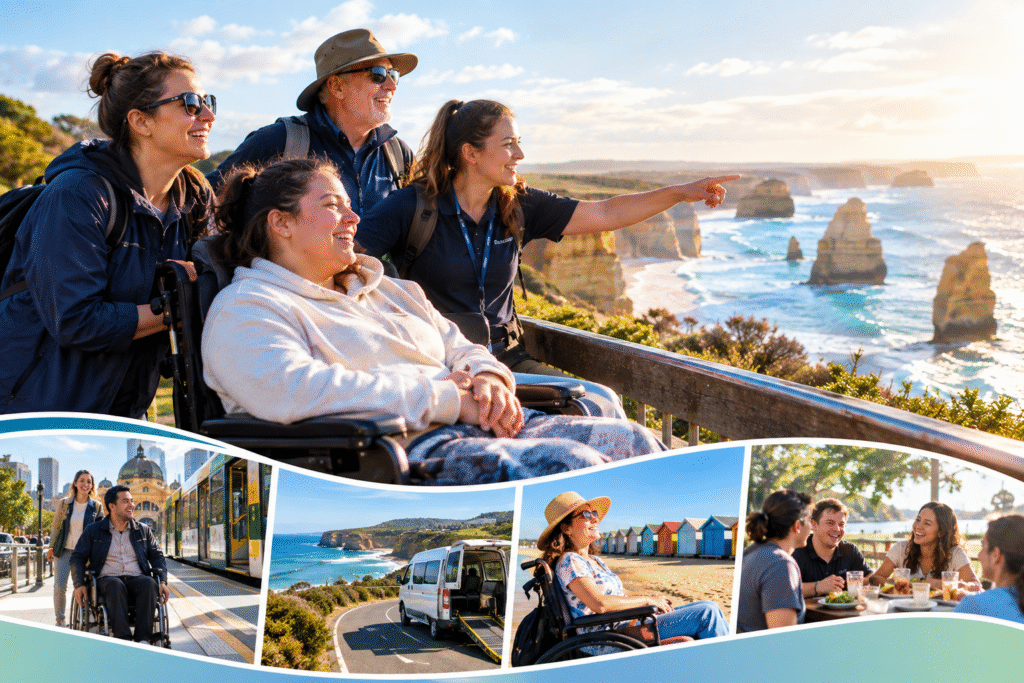
NDIS Supported Holidays for People with Disability and Accessible Travel in Perth
BlogA holiday should be about where you want to go, what you want to experience and who you want beside you. For people with disability, however, travelling can involve another layer of planning. Accessible accommodation, suitable transport, personal support, mobility requirements, daily routines and the accessibility of activities can all influence whether a trip feels genuinely enjoyable or unnecessarily difficult. Perth offers an appealing setting for accessible travel, combining a relaxed city environment with parks, waterfront spaces, cultural attractions, shopping precincts and accessible transport options. With thoughtful planning and the right level of support, people with disability can experience Perth in a way that feels comfortable, dignified and personal. For NDIS participants, it is also important to understand the difference between NDIS-funded supports and the private costs of taking a holiday. Current NDIS rules mean Short-Term Accommodation funding can support eligible participants with certain accommodation and disability-related supports, but it cannot be used to pay for holiday packages, holiday accommodation, airfares, meals, activities or similar holiday expenses. What Are NDIS Supported Holidays? NDIS supported holidays are travel experiences where a person with disability receives appropriate support to participate in travel and activities according to their individual needs. The support may involve assistance with everyday personal activities, mobility, communication, community participation, transport arrangements or other disability-related needs. The exact support available depends on the person’s circumstances, NDIS plan and the way their supports are funded. The concept is simple: access should not be the reason someone has to miss out on travelling. A well-planned supported holiday can provide an opportunity to experience a new environment while maintaining familiar routines and receiving the assistance required to travel with greater confidence. For some people, that might mean having support with personal care. For others, it may involve accessible transport, assistance navigating unfamiliar places, companionship or support to participate in community activities. The experience should be shaped around the individual rather than forcing the individual to fit into a standard holiday package. Why Perth Works Well for Accessible Travel Perth has a combination of urban accessibility, outdoor spaces and visitor services that can make it an attractive destination for people with disability. The City of Perth highlights accessible features throughout the central city, including kerb ramps, tactile indicators, accessible public toilets and accessible public buildings. Transperth trains are accessible for people who use wheelchairs, while selected ferry services also provide wheelchair accessibility. This infrastructure can make a significant difference when planning a trip. Rather than simply asking whether a destination is accessible, travellers can consider the entire journey: These questions turn accessibility from an afterthought into part of the holiday design. Accessible Experiences Across Perth A supported holiday does not have to be limited to accommodation and transport. Perth provides a variety of experiences that can be incorporated into a personalised itinerary. Kings Park and Botanic Garden Kings Park is one of Perth’s signature outdoor destinations, offering gardens, native flora, views and open spaces close to the city. Visit Perth highlights accessibility-related facilities and features across Perth’s parks and gardens, making them useful options to consider when developing an accessible itinerary. A visit can be adapted around energy levels, mobility requirements and preferred activities rather than treated as a fixed sightseeing schedule. Elizabeth Quay and the Waterfront Perth’s waterfront provides opportunities for relaxed sightseeing, dining and enjoying the city atmosphere. Accessible routes around Elizabeth Quay include ramped and interconnected pathways, while sections of the precinct provide step-free access and smoother pedestrian routes suitable for wheelchair users. For travellers who prefer a slower pace, waterfront destinations can also offer opportunities to build rest periods into the day. Perth City and Cultural Experiences Accessible travel does not have to mean avoiding the heart of the city. Perth’s visitor services include accessibility-friendly activities and guided experiences. The iCity Visitor Service provides selected wheelchair-friendly tours and encourages visitors to discuss their accessibility requirements before booking. The city also offers museums, galleries, public art, shopping areas, historic buildings and cultural spaces, giving travellers the flexibility to create an itinerary around their interests. Accessible Transport Is Part of the Experience Transport can determine whether a holiday feels smooth or stressful. For a person with disability, an accessible destination is only genuinely useful if they can travel between accommodation, attractions, restaurants and other locations safely and comfortably. Perth provides accessible public transport options, including accessible trains and selected ferry services. The City of Perth also identifies taxi assistance options for people with disability who cannot use conventional public transport or standard on-demand transport. However, public transport may not suit every traveller or every support requirement. Some people may need: Planning these details before departure can reduce unnecessary pressure once the holiday begins. Choosing Accessible Accommodation in Perth Accommodation should be assessed according to the person’s actual needs rather than relying only on the word “accessible”. A property may advertise accessibility while still being unsuitable for a particular traveller. Before booking, consider: Entrance and access: Is there step-free access from the entrance to the room? Bathroom: Is there enough space for mobility equipment? Are the shower and toilet arrangements appropriate? Bedroom: Can the bed be accessed comfortably? Is there enough room for movement? Doors and lifts: Are doorways and lifts suitable for the traveller’s mobility equipment? Location: Is the property close to the places the traveller wants to visit? Support requirements: Can the person’s required support be provided appropriately? The objective is not simply to find accommodation labelled accessible. It is to find accommodation that works for the individual. Personalised Support Can Change the Holiday Experience People with disability have different routines, preferences and support requirements. A person who is confident travelling independently may need only limited assistance, while another traveller may require more comprehensive support throughout the day. Personalised support can help with areas such as: The most important consideration is choice. A supported holiday should not remove independence. Ideally, the support makes it easier for the traveller to exercise their own choices. That might mean choosing when to start